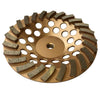
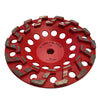
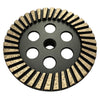
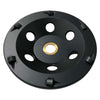

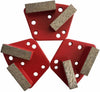
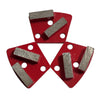
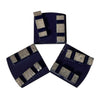
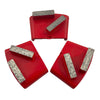
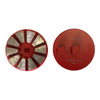
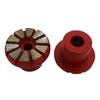
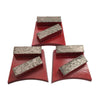
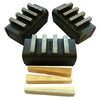
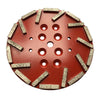
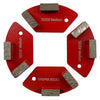
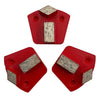
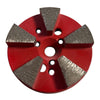
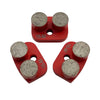





What PCD Direction Do I Need for a Walk-Behind Grinder? CW vs. CCW Explained
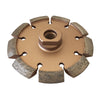
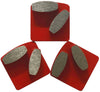
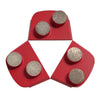
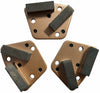
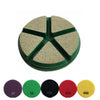
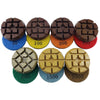
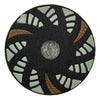
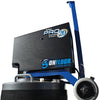
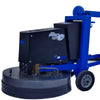
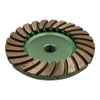
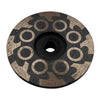
Understanding CW and CCW PCD tooling, bottom-view rotation, planetary grinder movement, and why machine direction matters on walk-behind grinders. Quick answer: Many PCD tools for walkbehind grinders are directional and are sold as clockwise (CW) or counter-clockwise (CCW) tooling. The safest way to select the correct PCD direction is to confirm the machine’s working rotation direction. On counter-rotating planetary grinders, the required PCD tooling type follows the large main plate direction when flipped over, not the direction of the smaller heads PCDs are a great grinding tool for removing tacky, hard-to-remove glue, mastics, adhesives, and other coatings. However, PCD tooling can be...
Are Sintered Diamond Tools Directional?
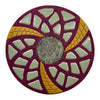
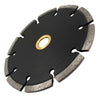
Understanding direction arrows, sintered diamond segments, factory dressing, and when rotation direction really matters. Quick answer: For most sintered diamond tools, the direction arrow is often more of a guideline than a strict requirement. However, PCD tools and some specially designed blade bodies can be directional. We often see direction arrows on diamond blades, and it is common for customers to wonder whether they installed the tool correctly — or even whether they received the right product. That is a completely valid concern. Especially if you come from woodworking or have experience using carbide blades, rotation direction is critical. However,...
The Right RPM for Your Diamond Tools
Diamond tools are designed around the equipment they are used with. When you don't have the exact type of equipment, it is critical to still apply the correct operating RPM. Improper RPM usage is one of the most common reasons that diamond tools stop working. Higher RPM leads to less torque, which means a higher risk of the tooling losing traction and spin out. Therefore, it's always safe to check what the optimal RPM is for the tool you are working with. Grinding Wheels and Blades: Below 7" in diameter, these tooling (and thus RPM) are designed for angle grinders....
What Makes Grinding Tools Work Faster and Longer
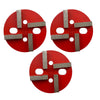
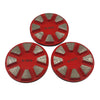
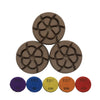
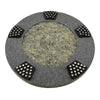
If you ask a diamond wheel sellers about their grinding wheels, there's a good chance they will give you the classic "grinds fast, long life" to describe their products. Diamond grinding is a mature technology, and there are effective ways a manufacturer can alter the performance of their grinding wheels. Diamond grit size and bonding choices are the primary factors that determine a wheel's performance. Diamond grits are the grinding agents. Naturally the bigger and higher-grade they are, the more aggressively the wheel will grind. The common grit size for concrete wheel is #30/40. More aggressive grinding wheels will sometimes...
Wet vs Dry - Choose the Right Core Drilling Tool
Choosing the right kind of core bits may not be obvious for everyone. Let us help. Dry core bits, like the name suggests, can be used without water; while wet bits require water-cooling to operate. Using dry bits is convenient and more friendly to DIY users, but it is often not powerful enough to match the drilling power of wet core bits. Here we have put together a quick guideline to help you determine which bit to use depending on the target material, and equipment. Disclaimers If you have no experience with diamond bit drilling, talk to a professional first Make...